
The First-Time Buyer's Guide to Home Air Conditioning
Buying your first home comes with a long list ac installation MA services of decisions, and air conditioning often lands near the bottom until the first July heatwave hits. If your new home in Massachusetts doesn't have central AC — or has an aging system that's been limping along — understanding your options before you're sweating through the house is a far better position to be in.
This guide covers the fundamentals: the types of systems available, what they cost, how to qualify for Massachusetts rebate programs, and what questions to ask before you sign a contract.
Why Massachusetts Buyers Need to Think Carefully About AC
Massachusetts has a heating-dominant climate — most of the year, your mechanical system is keeping you warm. But summers have gotten hotter and more humid over the past decade, and buyer expectations have shifted. Homes without cooling options are harder to sell and uncomfortable to live in from June through September.
The other Massachusetts-specific factor is the Mass Save rebate program, administered through your electric or gas utility. This program offers significant incentives for heat pump systems that provide both heating and cooling — and getting that right at installation time saves money both upfront and long-term.
The Four Main Types of Home Cooling Systems
Central Air Conditioning (Ducted)
A ducted central AC system uses an outdoor condenser unit and an indoor evaporator coil paired with an air handler and a network of ducts to deliver conditioned air throughout the home. It's the most familiar system type and works well in homes with existing forced-air ductwork.
If your home already MassHVAC events has ducts from a gas furnace or oil furnace setup, adding central AC is relatively straightforward. If there are no ducts — common in Massachusetts homes with steam or hot-water baseboard heat — new ductwork adds substantial cost and complexity.
energy efficient heat pumps MADuctless Mini-Split Systems
Mini-splits separate the system into an outdoor compressor and one or more indoor air-handling units mounted on walls or ceilings. No ductwork is needed. Each indoor unit conditions a discrete space, and multiple units can run off a single outdoor compressor (a heat pump installation "multi-zone" configuration).
Mini-splits offer excellent efficiency and have become the dominant choice for Massachusetts homes undergoing electrification. Many qualify for Mass Save rebates when configured as heat pumps.

Heat Pump Systems
A heat pump is not a separate system category so much as a technology. Both ducted and ductless systems can be heat pumps — the key difference is that a heat pump moves heat in both directions, providing cooling in summer and heating in winter using the same equipment. For first-time buyers in Massachusetts, a heat pump is almost always worth evaluating because of the rebate potential and the long-term operating cost advantage.
Window and Portable Units
Window AC units are the lowest-cost entry point but provide only room-level cooling, draw significant power on older wiring, and do nothing for humidity management in the rest of the home. For a starter home where budget is severely constrained, they're a stopgap — not a solution.
Understanding Massachusetts Rebate Programs
The Mass Save program is the most important financial consideration for first-time Massachusetts homeowners buying or installing AC equipment. Key points as of mid-2026:
Important: Federal tax credits for heat pumps (the 25C credit) expired December 31, 2025. Any contractor or website still advertising federal tax credits through 2032 is working from outdated information. Do not factor those credits into your budget.
To access Mass Save rebates, the equipment must be ENERGY STAR Cold Climate certified and appear on the Mass Save qualified products list. As of January 2026, units using R-410A refrigerant were removed from that list — qualifying systems must use R-32, R-454B, or another approved refrigerant. Your contractor should know this; if they're quoting R-410A equipment, ask why.
What to Expect in Terms of Cost
Installed costs in Massachusetts vary based on system type, home size, ductwork situation, and equipment brand. General ranges for a first-time buyer to keep in mind:
- Ductless mini-split, single zone: Several thousand dollars installed
- Multi-zone mini-split, 3–4 zones: Mid-to-upper range, well into five figures
- Ducted central AC (existing ducts): Moderate — adding to an existing air handler is the simplest scenario
- Ducted central AC (new ductwork required): Significantly higher due to duct fabrication and installation labor
After Mass Save rebates, the net cost of a qualifying heat pump system can drop meaningfully. This is why getting a Mass Save home energy assessment — free through your utility — before you buy equipment is worth the time.
Questions to Ask Every Contractor
Before signing any contract, get clear answers to these:

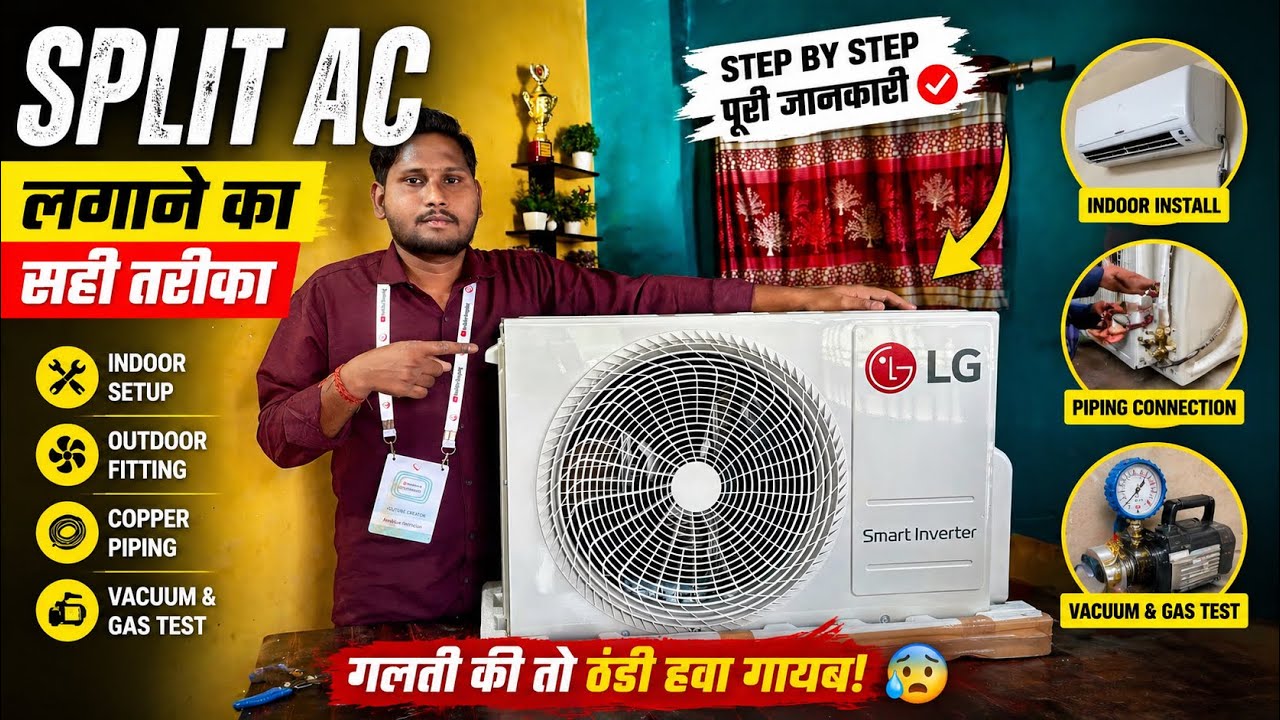
A good contractor for a ac installation company Worchester project will answer all of these without hesitation. One who pushes back or hedges is a signal to keep shopping.
Getting Your First Estimate Right
Get at least three estimates. Compare not just price but what's included: permit fees, electrical work if needed, removal of old equipment, warranty terms, and whether the contractor handles the Mass Save rebate paperwork on your behalf (many do — ask).
The cheapest estimate is not always the best value, particularly for first-time buyers who don't yet have a trusted contractor relationship to fall back on if something goes wrong after installation.
About the Author
The author is a personal finance and home ownership writer based in New England, focused on helping first-time buyers understand the real costs and decisions involved in owning an older home. They cover topics from energy efficiency to mortgage strategy for readers navigating homeownership for the first time.
MassHVAC 25 Mason St Worcester, MA 01609 (508) 501-7561